
Need help choosing? Speak to a filling-machine specialist about your product, pack and output.

Viscous and semi-solid products

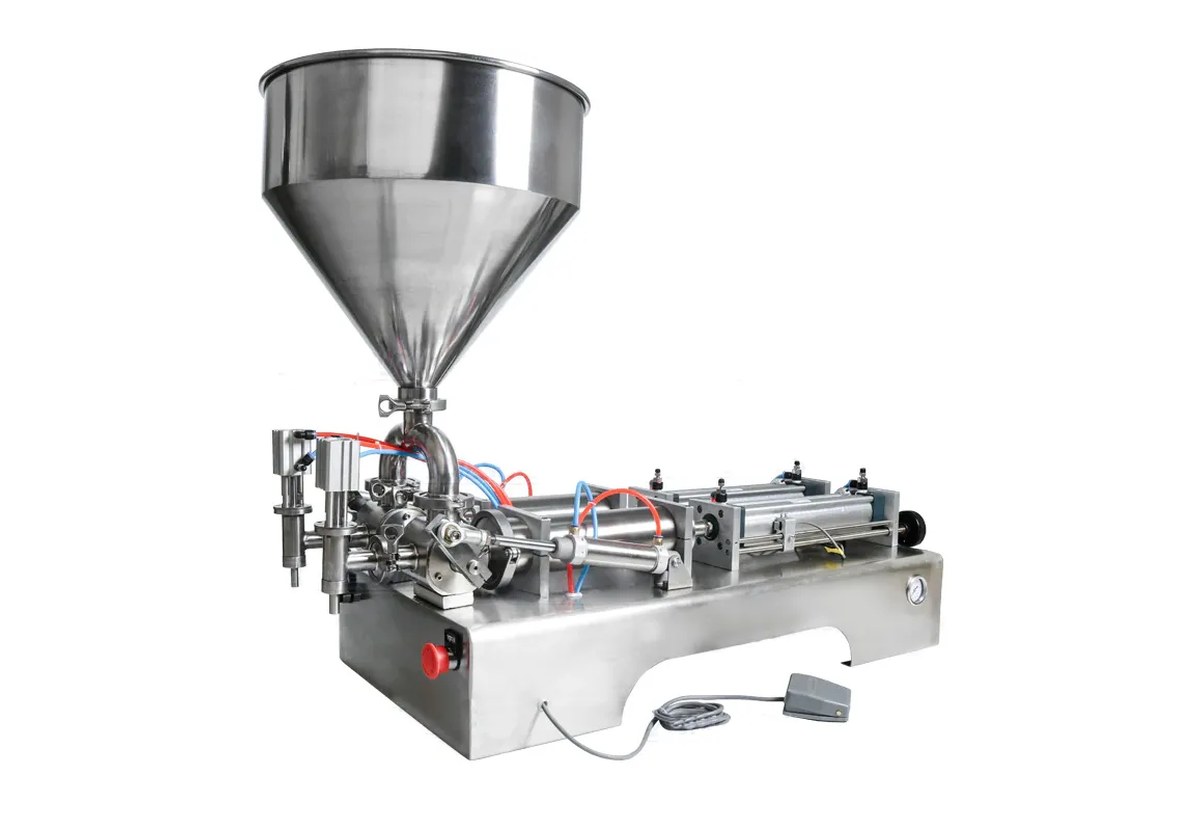
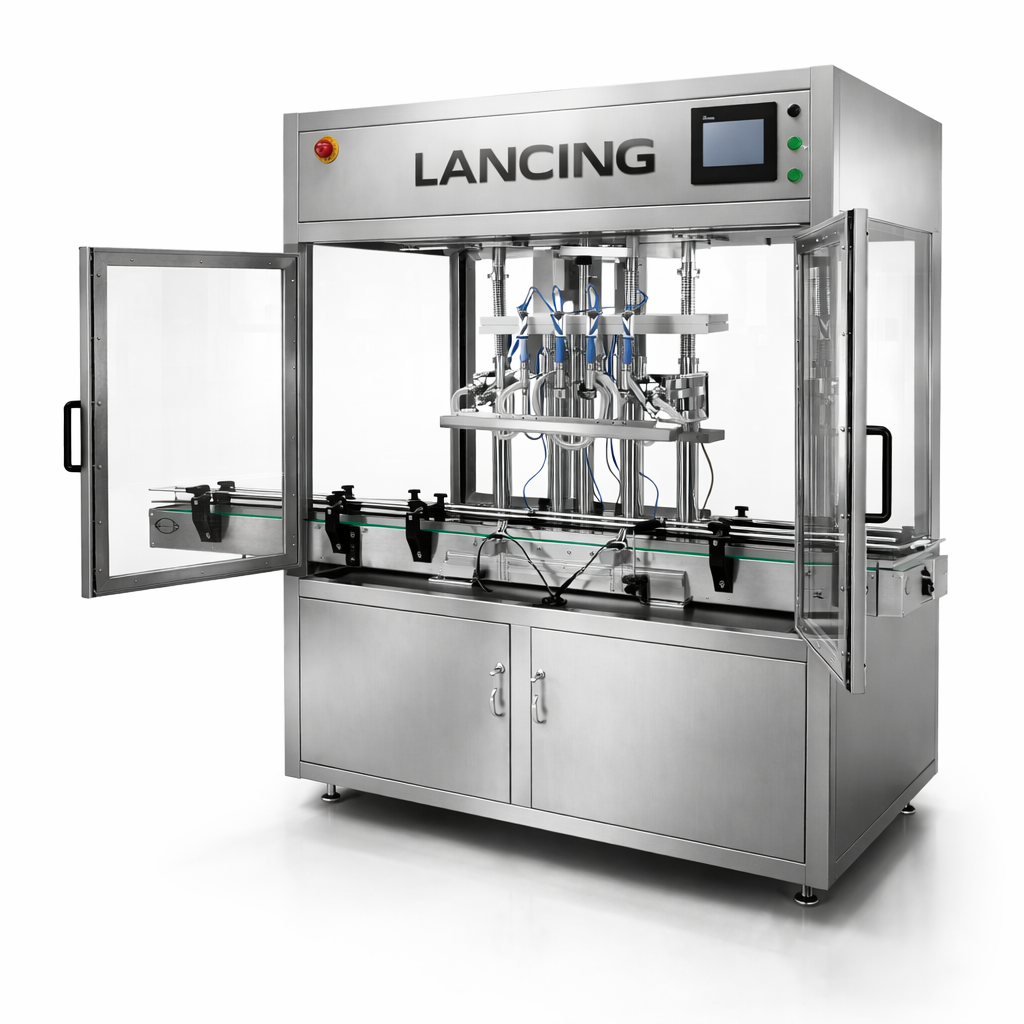
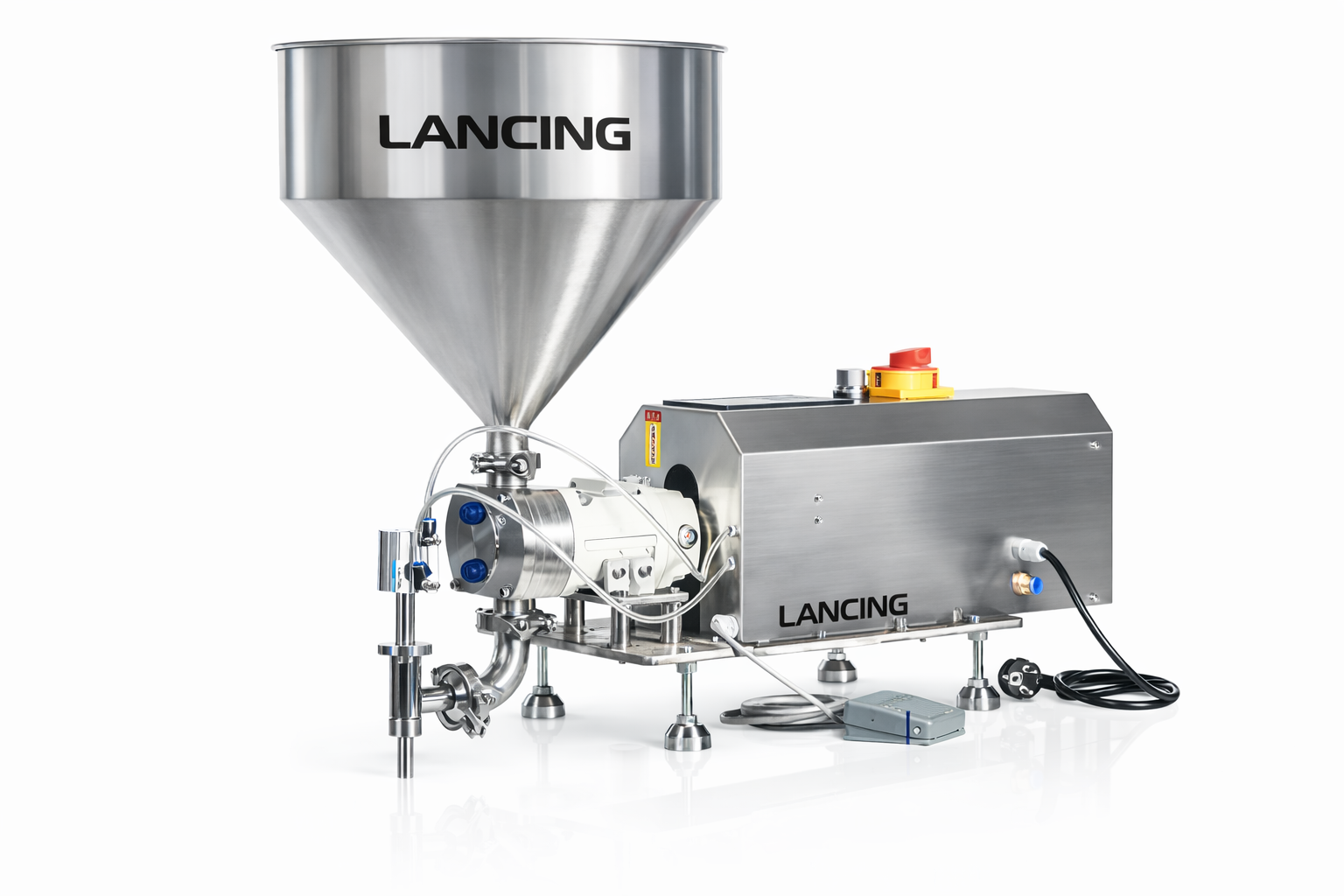
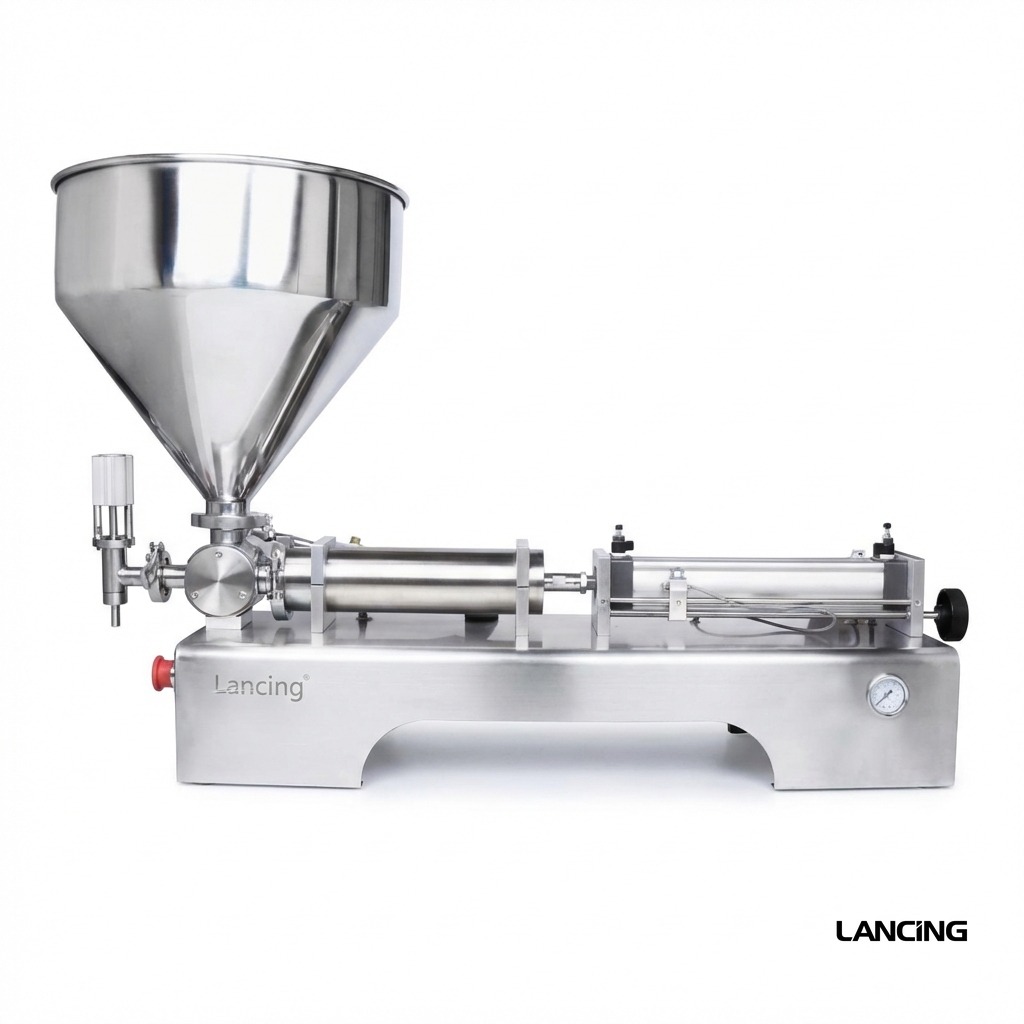
Paste filling machines for sauces, creams, gels and viscous products

Paste filling machinery must move a product that may be thick, stringy, aerated, particulate or temperature-sensitive while still producing a clean pack. Piston and positive-displacement pump systems are common starting points, but hopper design, nozzle cut-off, product feed and cleaning usually determine whether the machine works well day to day.

Paste filling machines for sauces, creams, gels and viscous products

Typical products and packs

Where this filling route is used

  • Sauces, condiments, honey and jam
  • Creams, lotions, gels and shampoo
  • Adhesives, sealants, greases and waxes
  • Food pastes and products containing suitable particles

Compare the principles

Relevant machine routes

Several dosing methods may fill the same nominal product. The practical choice is driven by accuracy, cut-off, cleaning, format range and sustained output.

Before quotation

Selection points to confirm

  • Viscosity at the coldest and warmest operating temperatures
  • Particles, fibres, seeds or pieces and their maximum dimensions
  • Stringing and the required nozzle shut-off or suck-back
  • Hopper, jacket, agitation or transfer-pump requirement
  • Cleaning access, allergens, recipe changes and product recovery
  • Jar, bottle or tub opening and fill presentation

Beyond the filler

Line integration considerations

  • Heated or agitated product hoppers where required
  • Nozzle lift, diving fill and drip trays
  • Jar or bottle capping and lid handling
  • Labelling, coding, conveyors and accumulation

Machines you can compare

Machines to compare

Specifications are reference points. Confirm the operating window using the intended product, container and line arrangement.

Compare your options

More filling machine options

Quick answers

Paste filling machines FAQs

What products suit paste filling machines?

Typical applications include sauces, condiments, honey and jam, creams, lotions, gels and shampoo, adhesives, sealants, greases and waxes. The final decision depends on the real product, dose, container and target output.

How do I choose paste filling machines?

Start with the product behaviour, fill range, pack format and sustainable output. Then compare the dosing principle, contact materials, changeover and cleaning against clean, repeatable dosing of viscous products.

Can the filler be supplied as part of a complete line?

Yes. Filling can be planned with container infeed, conveyors, capping or closing, labelling, coding, sealing, inspection, accumulation and end-of-line handling.

What information is needed for a quotation?

Send product details and safety data where relevant, fill volumes, container and closure samples or drawings, target output, utilities, cleaning needs, footprint and any existing equipment to be integrated.

Ready to discuss your application?

Specify paste filling machines around the real production task

Tell us what you fill, your fill range, container and target output. We will help you narrow the practical machine options before quotation.

Viscous-product engineering

Specify the complete product path, not only the nominal viscosity

Paste filling is affected by how the product enters the hopper or pump, moves through valves and hoses, exits the nozzle and separates cleanly at the end of the dose. Temperature, particles and time at rest can be more important than a single viscosity value.

Selection variableWhy it mattersWhat to test or provide
Viscosity and temperatureChanges pump load, piston refill, pressure, fill time and cut-off.Normal and worst-case filling temperature, warm-up or cooling behaviour and any limits on product residence time.
Particles or inclusionsCan block valves and nozzles, be damaged by the product path or create inconsistent portions.Maximum particle dimensions, shape, concentration, fragility and representative samples.
Stringing and tailingCan contaminate rims, closures, labels and conveyors even when the dose itself is correct.Nozzle shut-off, suck-back or cut-off options, nozzle-to-pack movement and acceptable presentation.
Product feedAn undersized hopper, poor transfer pump or air entrainment can make the filler appear inconsistent.Supply vessel, batch temperature, transfer distance, replenishment method and level-control requirement.
Container openingLimits nozzle bore, alignment and the ability to fill without smearing the neck or rim.Smallest opening, internal obstructions, pack stability and required fill pattern.
Cleaning and recoveryViscous products can remain in cylinders, hoses, pumps and nozzles, affecting changeover time and yield.Cleaning method, allergen or segregation needs, removable parts, drainage and product-recovery expectations.

Representative trial

Use the most difficult product and pack combinations

Test the coldest or thickest product, the largest permitted particle, the smallest container opening and the dose most likely to expose refill or cut-off limitations. Record product feed, air pockets, nozzle behaviour, pack cleanliness, measured result and cleaning steps.

The piston filling overview, pump filling comparison and nozzle guide help define the alternatives before the trial.

Specialist paste route

Continue at Paste Fillers UK

pastefillers.co.uk is the preferred Lancing specialist resource for sauces, creams, gels, honey, adhesives and other viscous products. Use this parent page to choose the route, then request a product and pack review against the deeper paste-filling range.

Arrange a paste-filling review

Further buyer questions

Further paste filling questions

These answers clarify the practical boundaries that should be checked before a machine is selected or quoted.

Can paste filling machines handle products with particles?

Some piston and pump routes can handle particulates, but the particle size, shape, fragility and concentration must be checked against the product path, valve openings and nozzle bore. Representative samples are essential because a nominal viscosity does not describe particle behaviour.

When should a heated hopper or product path be considered?

Heating may be relevant when the product is normally filled warm or becomes difficult to move as it cools. The required temperature, residence time, product quality limits, cleaning method and operator safety arrangements must be defined before a heated system is specified.

CallEnquire