
Liquid and pump filling
Timed, flowmeter, diaphragm, gear, magnetic and peristaltic routes for products that can be pumped repeatably.
Explore this routeComplete filling machinery range
Choose a filling machine by starting with the product, container, dose range and output—not by selecting a catalogue model first. Compare the main liquid, paste, powder, granule and specialist filling routes, then speak with Lancing Ltd about trials and line integration.

Typical products and packs
Compare the principles
Several dosing methods may fill the same nominal product. The practical choice is driven by accuracy, cut-off, cleaning, format range and sustained output.
Timed, flowmeter, diaphragm, gear, magnetic and peristaltic routes for products that can be pumped repeatably.
Explore this routePositive-displacement dosing for sauces, creams, honey, gels and other viscous products.
Explore this routeAuger, cup and weigh systems selected around bulk density, dust, flow and target accuracy.
Explore this routeVacuum, carbonated, ATEX, corrosive, sachet and large-container projects with application-specific controls.
Explore this routeBefore quotation
Beyond the filler
Machines you can compare
Specifications are reference points. Confirm the operating window using the intended product, container and line arrangement.

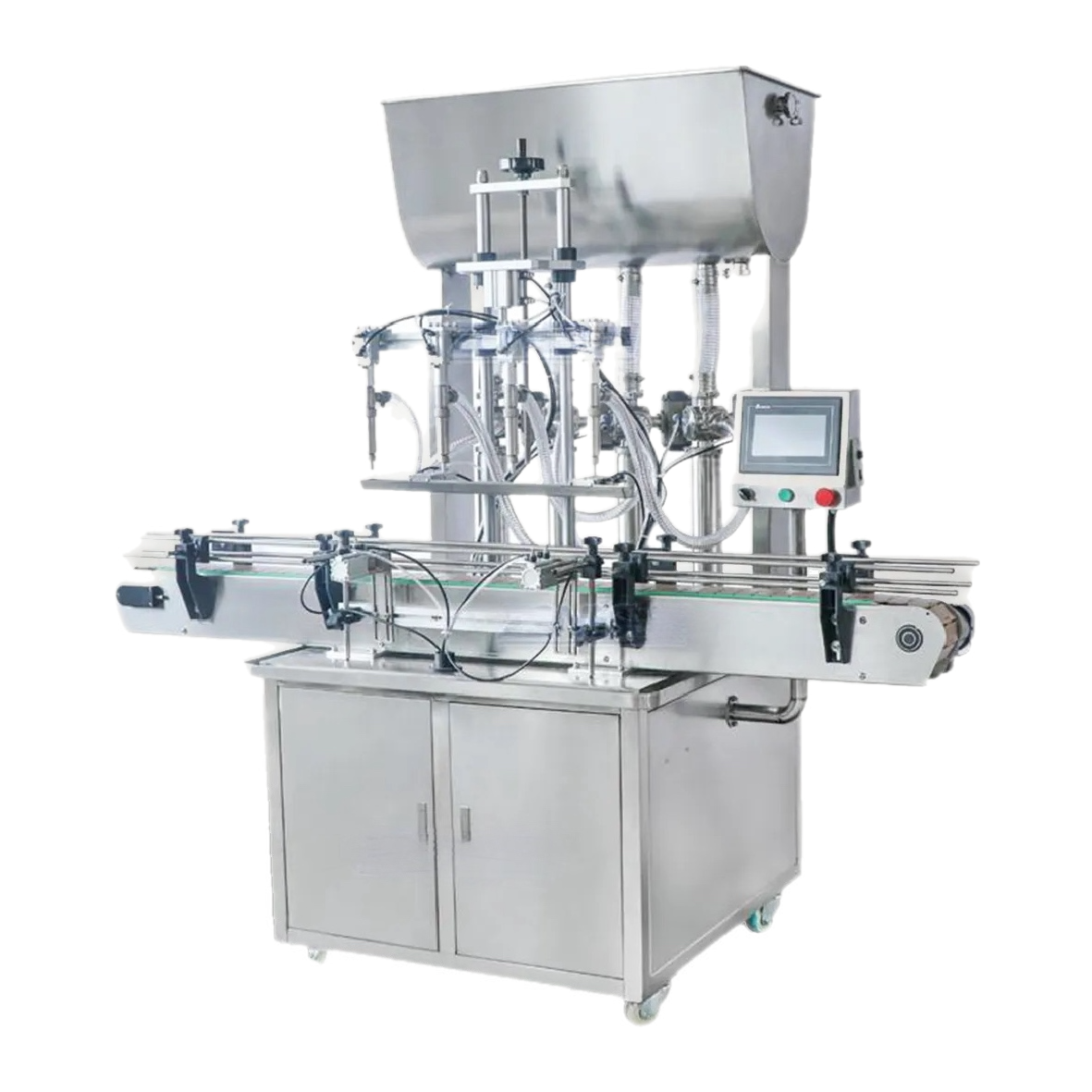
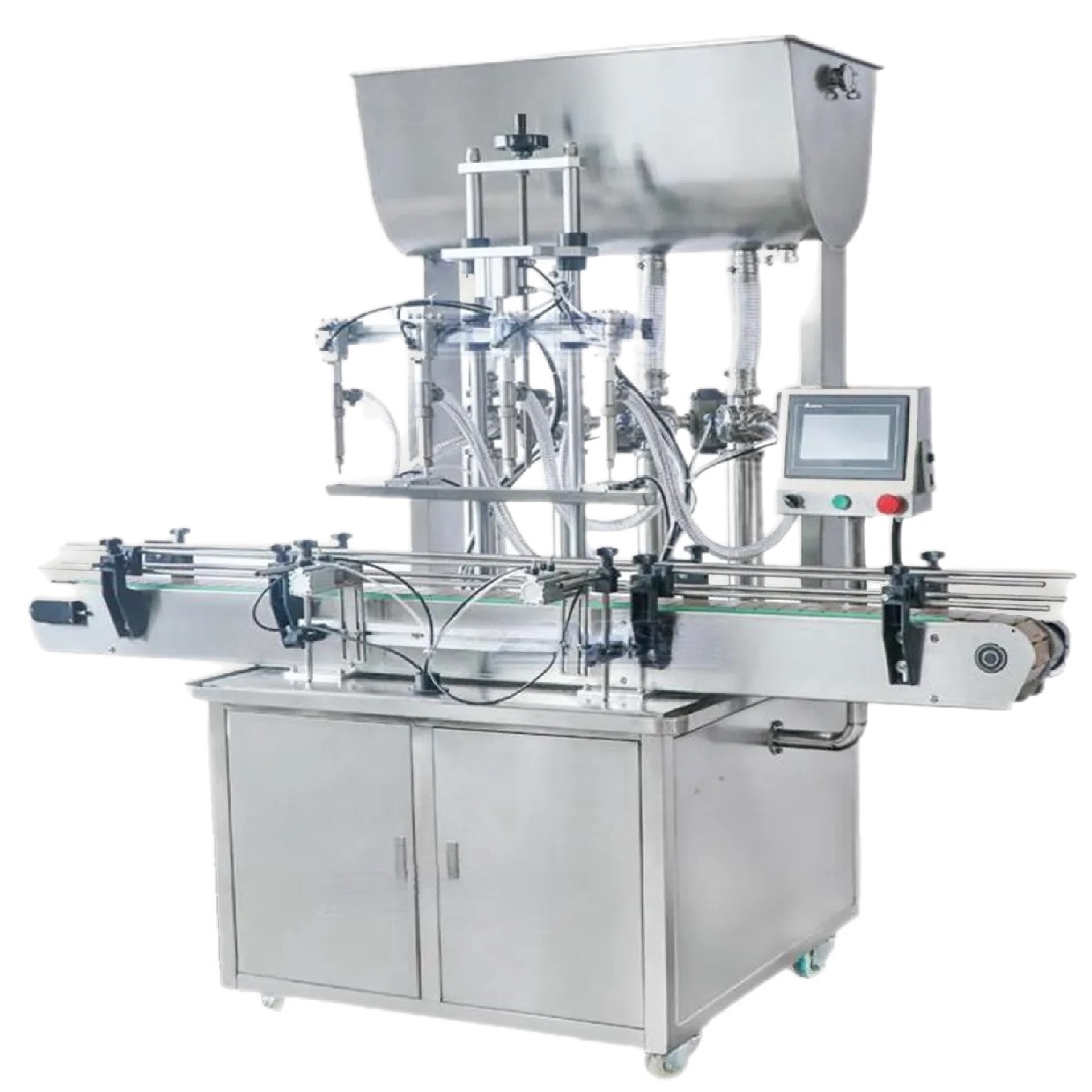
Automatic Volumetric 4-Nozzle
Four-nozzle automatic volumetric piston filler for sauces, honey, creams and lotions. Compare fill modules, anti-drip nozzles and line options.
See machine details
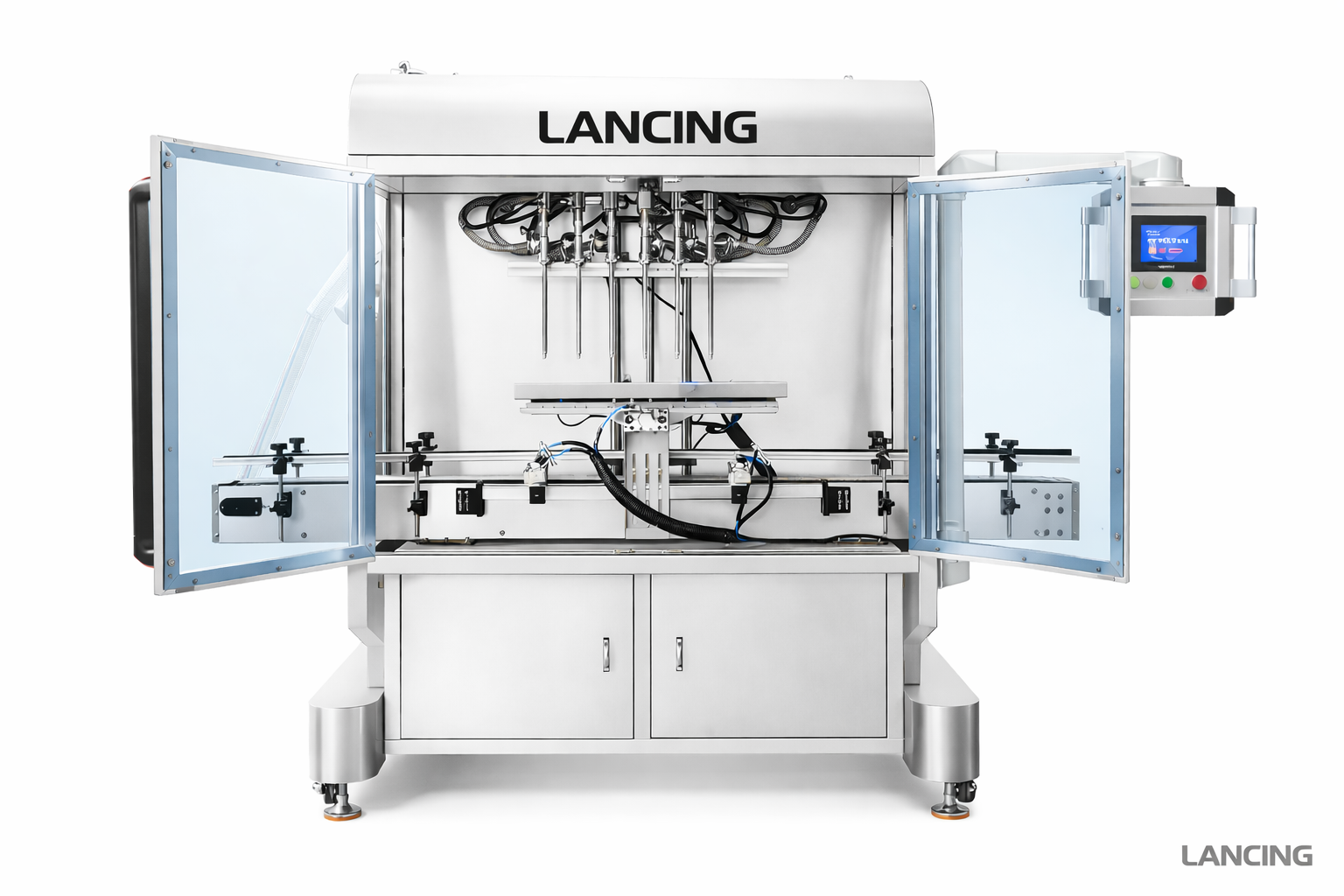
LU-CL6T
Six-head servo magnetic-pump filler for 500–5000 ml liquid products. Review 320 L tank, up to 42 bottles/min and automatic-line integration.
See machine details
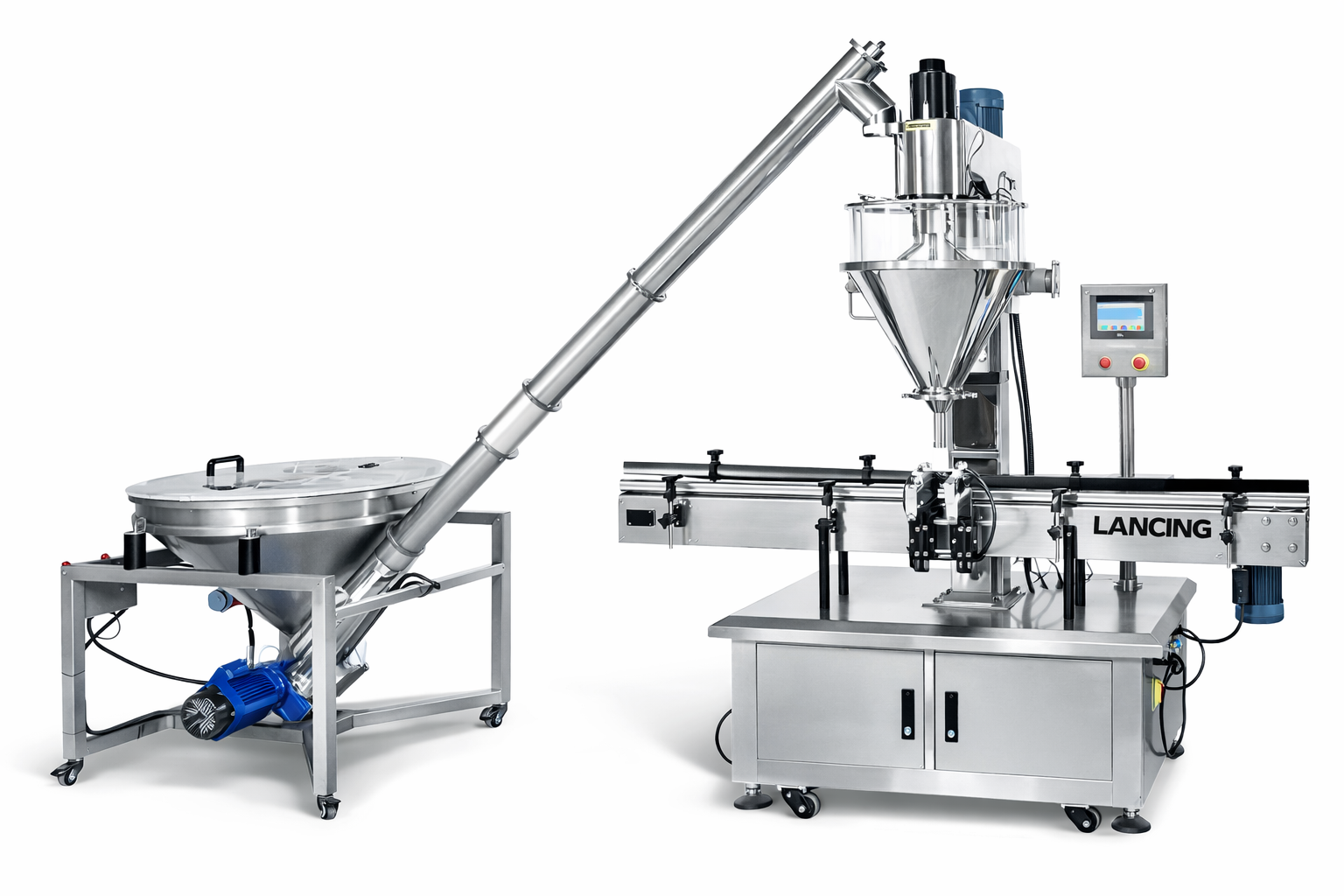
LU-FM5A
Servo auger powder filler with automatic screw feeder for jars and containers. Review 10–500 g reference range, hopper, utilities and output.
See machine detailsCompare your options
Specify liquid filling machines for water-like products, oils, detergents, chemicals and beverages. Compare pump, piston, peristaltic and level filling.
See optionsCompare piston, servo and rotor-pump paste filling machines for sauces, honey, creams, gels, adhesives and other viscous products in the UK.
See optionsCompare powder filling machines using auger, weigh and dosing systems for food, supplement, cosmetic and chemical powders. UK specification advice.
See optionsSemi-automatic filling machines for liquids, pastes, powders and larger containers. Compare operator workflow, output, changeover and upgrade paths.
See optionsAutomatic filling machines for liquid, paste, powder and specialist applications. Compare multi-head fillers, conveyors, controls and line integration.
See optionsPlan complete filling lines for bottles, jars, cans, pouches and larger containers. Integrate filling, capping, labelling, coding and conveyors.
See optionsQuick answers
Typical applications include free-flowing liquids, oils and detergents, viscous sauces, creams, gels and adhesives, powders, granules, beans, seeds and supplements. The final decision depends on the real product, dose, container and target output.
Start with the product behaviour, fill range, pack format and sustainable output. Then compare the dosing principle, contact materials, changeover and cleaning against the complete filling-machine shortlist.
Yes. Filling can be planned with container infeed, conveyors, capping or closing, labelling, coding, sealing, inspection, accumulation and end-of-line handling.
Send product details and safety data where relevant, fill volumes, container and closure samples or drawings, target output, utilities, cleaning needs, footprint and any existing equipment to be integrated.
Ready to discuss your application?
Tell us what you fill, your fill range, container and target output. We will help you narrow the practical machine options before quotation.
Compare the dosing principle first
Two machines can look similar while using very different methods to move and measure product. The table is a selection aid, not a substitute for a trial: the real product, pack opening, dose range and cleaning method decide whether a principle remains in the shortlist.
| Filling principle | Useful comparison territory | Important boundary to test |
|---|---|---|
| Piston or servo piston | Measured liquid and paste doses where a defined swept volume and controlled discharge are useful. | Product feed, particles, viscosity range, valve openings, cylinder range, nozzle cut-off and clean-down. |
| Pump or timed flow | Liquids, oils, detergents and compatible viscous products where the selected pump suits the fluid and contact path. | Flow consistency, back pressure, priming, shear, drips, feed pressure and the effect of product temperature. |
| Peristaltic | Small liquid doses and changeovers where product remains inside compatible tubing and individual channels can be controlled. | Tubing compatibility, tube life, flow range, product temperature, nozzle entry and repeatability at the required dose. |
| Vacuum or overflow level filling | Containers where a consistent visible fill level is more important than compensating for internal volume variation. | Container rigidity, neck seal, return product, foam, product suitability and the difference between level and net contents. |
| Auger dosing | Many fine, cohesive or non-free-flowing powders where controlled screw movement can meter the product. | Bulk density, bridging, aeration, screw and tooling choice, dust, cut-off, settling and clean-down. |
| Weigh filling | Liquids, powders or granules where live mass feedback is central to the required acceptance method. | Feed cut-off, product in flight, vibration, container tare variation, settling time and sustainable cycle rate. |
Build one common user requirement
Write the requirement before asking for model recommendations. A common brief prevents one quotation from including the product feed, guarding and change parts while another covers only the core filler.
Keep specialist ownership clear
Use liquidfillers.co.uk for specialist liquid routes, pastefillers.co.uk for viscous products, powderfillers.co.uk for dry products, and automaticfillingmachines.co.uk once continuous line automation is confirmed. The buyer’s guide explains how to compare the resulting proposals on a consistent basis.
Further buyer questions
These answers clarify the practical boundaries that should be checked before a machine is selected or quoted.
Sometimes a machine can cover a useful family of products and containers, but very different viscosities, dose ranges, pack openings or cleaning requirements may need different pumps, cylinders, screws, nozzles or a separate filling route. The complete SKU matrix should be reviewed before committing.
Practical repeatability depends on the dosing principle, product consistency, feed pressure, temperature, foam, particles, cut-off behaviour, container presentation and the way the result is measured. Accuracy should therefore be agreed against representative products, packs and test conditions.