
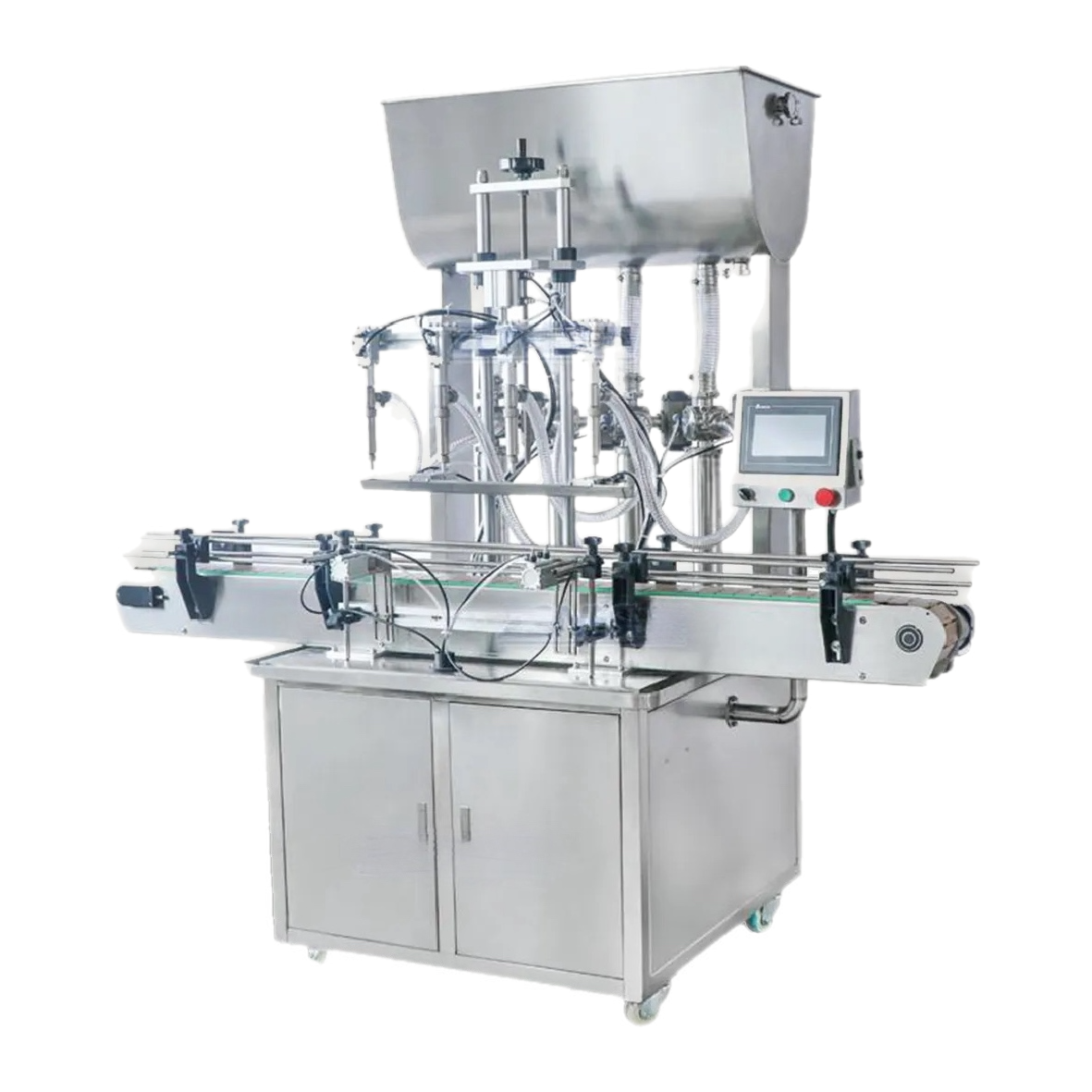
Direct answer
Define flexibility as a controlled matrix, not a broad promise
- Group products by behaviour, compatibility and cleaning risk rather than by marketing name.
- Check that the smallest and largest dose sit inside a practical dosing range for each product.
- Map every container to nozzle centres, guides, supports, sensors and downstream equipment.
- Separate recipe changes from mechanical format changes and product-contact part changes.
- Approve each product and pack combination through a documented trial or defined verification route.
Build a product-and-pack operating matrix
A flexible filling project should list each product family down one side of a matrix and each pack or dose family across the other. For every combination, record the dosing method, nozzle, product-contact parts, recipe, guides, supports, change parts, cleaning route and evidence status.
Some combinations may be technically possible but commercially inefficient. A very small dose on a large dosing device can extend set-up and verification, while a high-viscosity product may need a different feed arrangement from a thin liquid. The matrix exposes where one common machine remains sensible and where a dedicated route reduces risk.
| Change type | Possible recipe change | Likely physical review |
|---|---|---|
| Dose within an approved range | Target, speed profile, cut-off compensation and nozzle timing. | Calibration or verification for the new set point. |
| Product viscosity or flow change | Pump or piston profile where already proven. | Feed, seals, valve passage, nozzle and cleaning suitability. |
| Container height or diameter change | Sensor position or stored timing where supported. | Guides, stops, supports and nozzle travel. |
| Container opening change | Nozzle centre or fill height settings where compatible. | Nozzle size, entry clearance and format parts. |
| Allergen, colour or chemistry change | Recipe alone is not sufficient. | Product-contact compatibility, recovery, cleaning and verification. |
Can one filling machine handle thin and thick products?
One filling machine can handle thin and thick products only when its dosing principle, product feed, valves, seals, hoses and nozzles are suitable across the complete viscosity and temperature range. A recipe may change speed or timing, but it cannot enlarge a restrictive passage or make an incompatible seal suitable. Thin liquids can expose dripping or aeration that is not visible with paste, while thick products can starve a feed path designed around gravity. Trial both boundary products and the changeover between them.
Can one filler run several container shapes and sizes?
One filler can run several container shapes and sizes when each pack can be presented stably at the nozzle and the required guides, supports, sensors, nozzle centres and downstream interfaces are available. Round, square and oval packs can behave differently on the same conveyor. The opening may not be centred within the body, and a light bottle can become unstable during nozzle entry. Ask for a format-parts list and test the least stable pack, not only the largest or most common container.
Which changes need format parts rather than recipe changes?
Changes that alter the physical location, support or passage of the product or container usually need a mechanical review and may need format parts; recipe changes only adjust values the machine is already designed to vary. Examples include star wheels, pucks, guides, neck locators, nozzles, seals, valve components and container supports. A stored recipe can control dose, timing, speed or sensor values, but it cannot safely compensate for mechanical interference or inadequate product passage. Document both types of change in the operating matrix.
Which product changes require a new filling trial?
A new filling trial is required whenever a product change can alter flow, aeration, particles, temperature, compatibility, cleaning, nozzle cut-off or the measurement result beyond the evidence already approved. A change in supplier or formulation can matter even when the product name stays the same. Use risk-based change control: compare the new product against the tested envelope, document the differences and decide whether review, bench testing or a full production trial is necessary. Do not assume an old recipe proves a new material.
When is a second filling machine more practical?
A second filling machine is more practical when one shared design creates excessive changeover, cleaning, compromise in dose range, incompatible product-contact requirements, poor availability or unacceptable cross-contamination risk. Compare total operating impact rather than equipment count alone. Separate machines can protect production continuity and simplify validation, but add floor space, utilities, training and maintenance. A documented matrix makes the trade-off visible and prevents a “universal” specification from becoming difficult to operate.
Build the flexibility case before requesting a quotation
- List every product, temperature, dose, container and closure combination required now.
- Identify future formats separately so they do not silently become current mandatory scope.
- Group products by flow, inclusions, chemistry, cleaning and cross-contamination risk.
- Record recipe settings, change parts and product-contact parts for each approved combination.
- State the maximum acceptable changeover and verification burden in operational terms.
- Plan trials for boundary products and the least stable or narrowest-opening containers.
Final suitability depends on the real product, pack, environment and integrated process. Use representative samples and agree the acceptance method before the machine design is fixed.