
Need help choosing? Speak to a filling-machine specialist about your product, pack and output.

Bottle-led machinery planning

Bottle filling machines for liquid, paste, powder and granule products

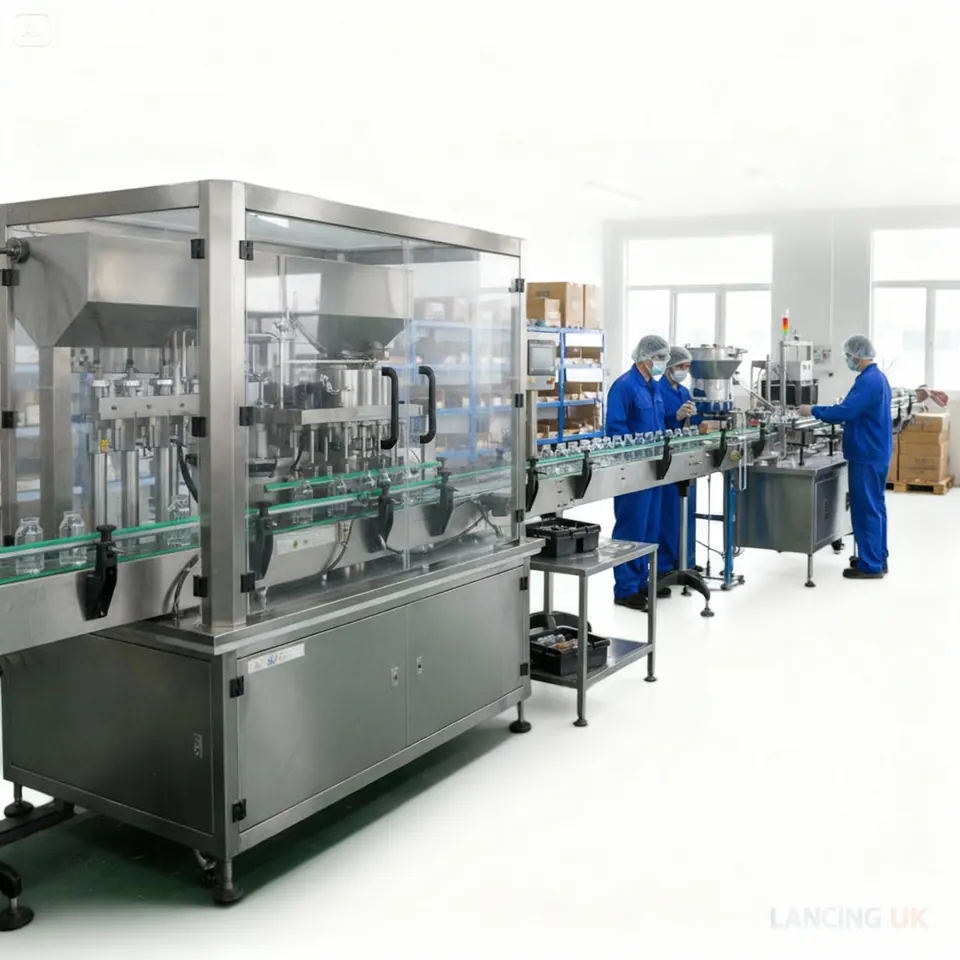
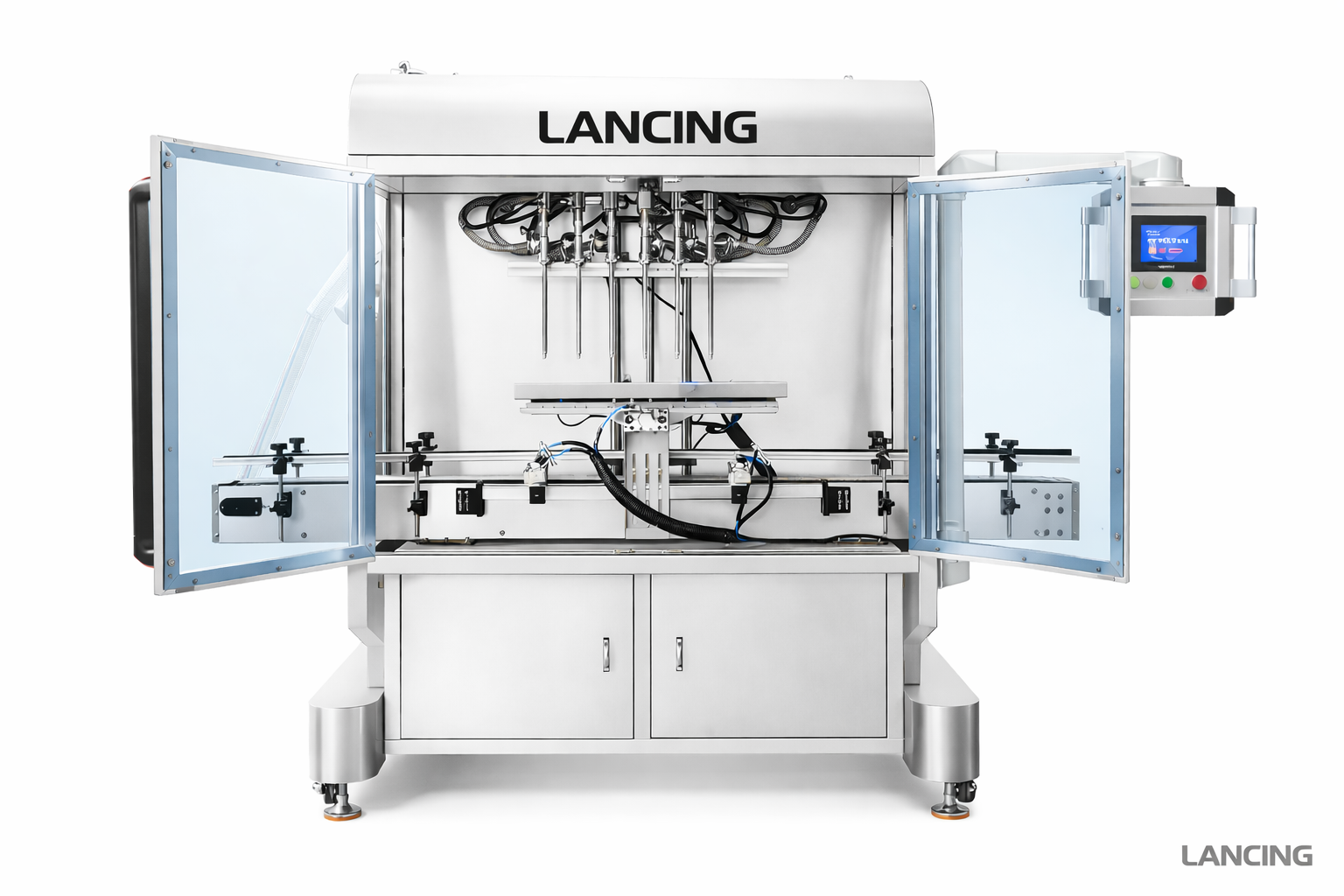
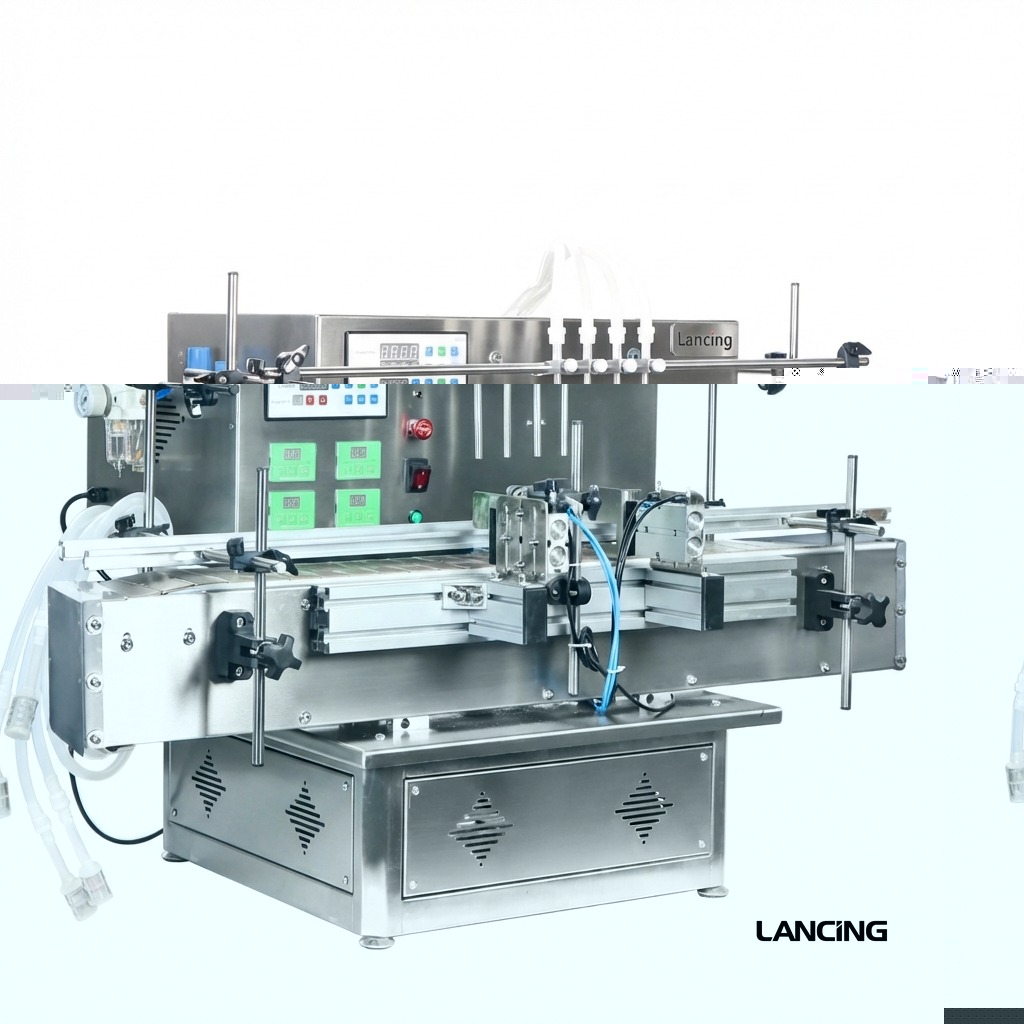
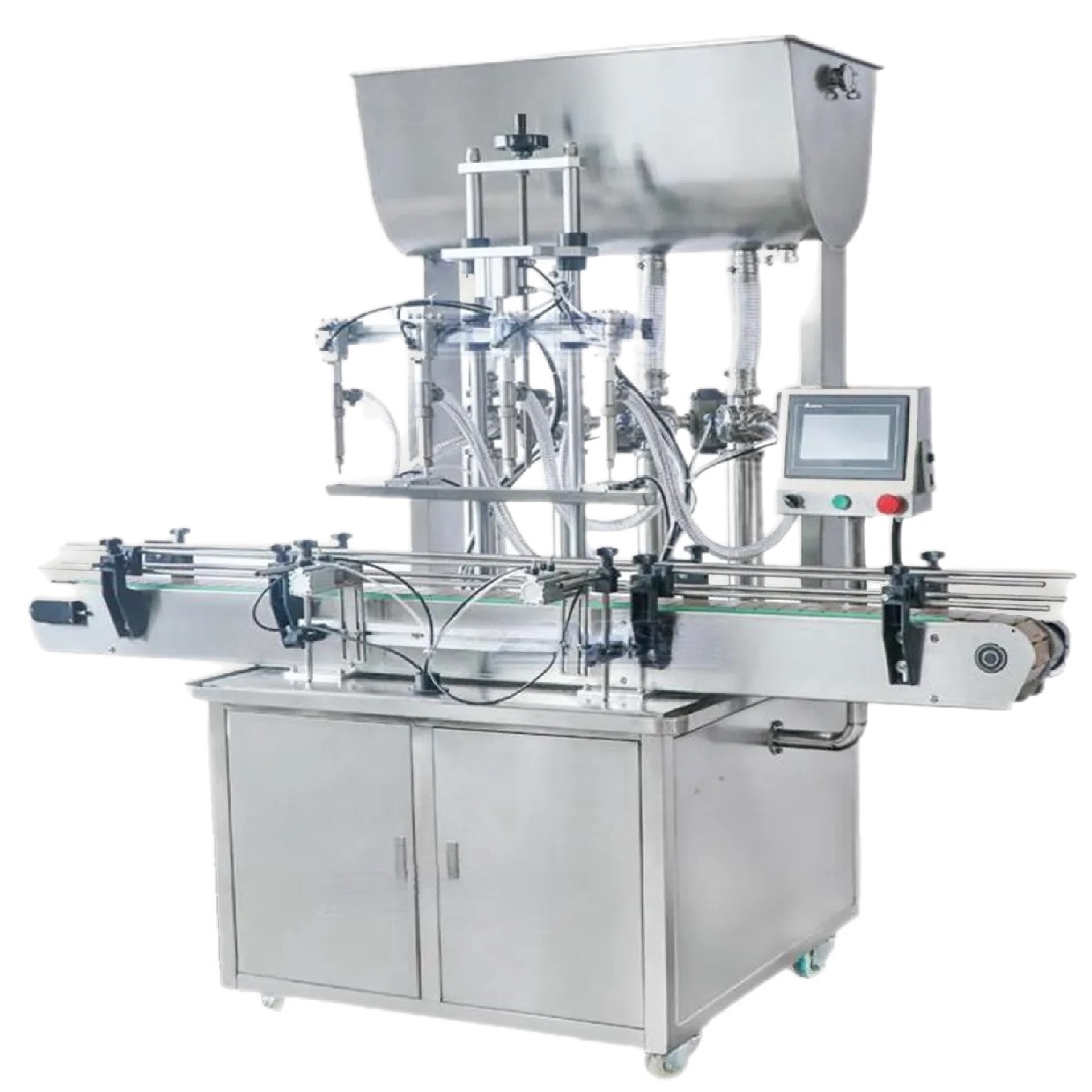
Bottle filling should be specified with the actual bottle, closure and label route in view. A stable round PET bottle behaves differently from a flexible HDPE trigger bottle or a small glass vial. The filling principle is set by the product, while bottle guides, gating, nozzle spacing and downstream capping determine whether the line runs reliably.

Bottle filling machines for liquid, paste, powder and granule products

Typical products and packs

Where this filling route is used

  • Plastic and glass bottles
  • Round, oval, flat and shaped containers
  • Small vials through to larger bottles
  • Liquid, paste, powder and granule products

Compare the principles

Relevant machine routes

Several dosing methods may fill the same nominal product. The practical choice is driven by accuracy, cut-off, cleaning, format range and sustained output.

Before quotation

Selection points to confirm

  • Bottle dimensions, material, neck finish and base stability
  • Fill product behaviour and required nozzle entry
  • Closure type, cap feed and torque or press requirement
  • Label position and coding area
  • Changeover range and guide adjustment
  • Target rate and accumulation between machines

Beyond the filler

Line integration considerations

  • Bottle unscrambling, rinsing or manual infeed
  • Filling with bottle detection and gating
  • Screw, pump, trigger, crimp or other capping
  • Labelling, coding, inspection and packing

Machines you can compare

Machines to compare

Specifications are reference points. Confirm the operating window using the intended product, container and line arrangement.

Compare your options

More filling machine options

Quick answers

Bottle filling machines FAQs

What products suit bottle filling machines?

Typical applications include plastic and glass bottles, round, oval, flat and shaped containers, small vials through to larger bottles. The final decision depends on the real product, dose, container and target output.

How do I choose bottle filling machines?

Start with the product behaviour, fill range, pack format and sustainable output. Then compare the dosing principle, contact materials, changeover and cleaning against the product, bottle, closure and label as one connected pack.

Can the filler be supplied as part of a complete line?

Yes. Filling can be planned with container infeed, conveyors, capping or closing, labelling, coding, sealing, inspection, accumulation and end-of-line handling.

What information is needed for a quotation?

Send product details and safety data where relevant, fill volumes, container and closure samples or drawings, target output, utilities, cleaning needs, footprint and any existing equipment to be integrated.

Ready to discuss your application?

Specify bottle filling machines around the real production task

Tell us what you fill, your fill range, container and target output. We will help you narrow the practical machine options before quotation.

Treat the bottle as a handling system

Specify filling, closing and labelling around the finished pack

Bottle filling is not only a dosing task. Bottle stability, neck opening, closure presentation, product residue and label area interact, so the filler should be reviewed with the complete pack route from empty bottle to finished product.

Sample set

Provide the smallest, tallest and least stable bottles

Include closures, liners and labels where they affect handling. Trial the minimum and maximum fills, the smallest neck and the product most likely to foam or leave residue. The nozzle guide helps define entry and cut-off, while filling lines covers connected closing and labelling.

Specialist bottle route

Continue at Bottle Filling Machines UK

bottlefillingmachines.co.uk is the preferred Lancing specialist resource when bottles, capping, labelling and coding form the main project boundary.

Review the complete bottle pack

Further buyer questions

Further bottle filling questions

These answers clarify the practical boundaries that should be checked before a machine is selected or quoted.

Why does bottle stability matter to filling performance?

An unstable bottle can move during nozzle entry, filling or conveyor transfer, leading to spills, inconsistent positioning and downstream faults. Base shape, height, centre of gravity, neck finish and guide-rail contact all influence the handling method.

Should the cap and label be reviewed when choosing the bottle filler?

Yes. Neck support, fill level, product residue, cap presentation, torque and label placement can affect the filler and conveyor layout. Reviewing the finished pack early reduces the risk of solving filling in isolation and creating a downstream problem.

CallEnquire