
Key decisions
Make the measurement method part of the specification
- Define target quantity, units, tolerance and whether limits apply to individuals, averages or both.
- Use representative product condition, feed level, container and nozzle arrangement.
- State the measurement device, resolution, verification status and tare method.
- Sample across start-up, steady running, refill, changeover and normal interruptions.
- Record raw results, adjustments, rejected packs and the conditions behind every conclusion.
Accuracy, repeatability and process centre are not interchangeable
Accuracy describes closeness to the intended value under the stated method. Repeatability describes how tightly repeated results group under the same conditions. A process can repeat consistently but be centred above or below target; it can also average close to target while individual fills vary widely.
The acceptance record should therefore show individual results, the process centre and the spread. It should also state whether the machine was adjusted during the sample. Avoid reducing the result to one percentage without the dose, product, sample count and measurement basis.
| Test element | Define before testing | Why it matters |
|---|---|---|
| Target and limits | Target quantity, units, individual limits and any average-control rule. | Prevents a pass/fail decision being changed after results are seen. |
| Product condition | Batch, temperature, preparation, aeration, settling and feed method. | Product behaviour can alter flow, density and nozzle cut-off. |
| Pack condition | Container type, tare method, neck, support and format settings. | Tare and handling variation can obscure dosing performance. |
| Measurement | Instrument, resolution, verification and operator method. | The measurement system must be suitable for the expected tolerance. |
| Sampling | Sequence, size, run states and treatment of rejected packs. | A short selected sample may not represent normal production. |
| Adjustment rule | Who may adjust, when, and whether the sample restarts. | Prevents hidden tuning from making unlike trials appear comparable. |
Select a measurement system that can resolve the decision
The reference method should be capable of distinguishing the variation that matters to the process. For liquid volume, businesses often verify by mass using a demonstrated density relationship, or use an appropriate volumetric reference. For weight, the scale resolution and verified operating range must suit the pack and tolerance. The method should be documented rather than assumed.
Container tare can be measured individually, controlled by a representative average only when justified, or removed through an appropriate gross/tare sequence. The chosen method must match how the production result will be judged. Where density is used to convert between mass and volume, record the product condition and measurement basis.
Test the states that disturb the process
A steady run from a full hopper may show the best-case result but not the normal process. Include start-up after cleaning, product replenishment, low and high feed conditions, production pauses, recipe recall and restart after a blocked downstream machine where these states occur in service.
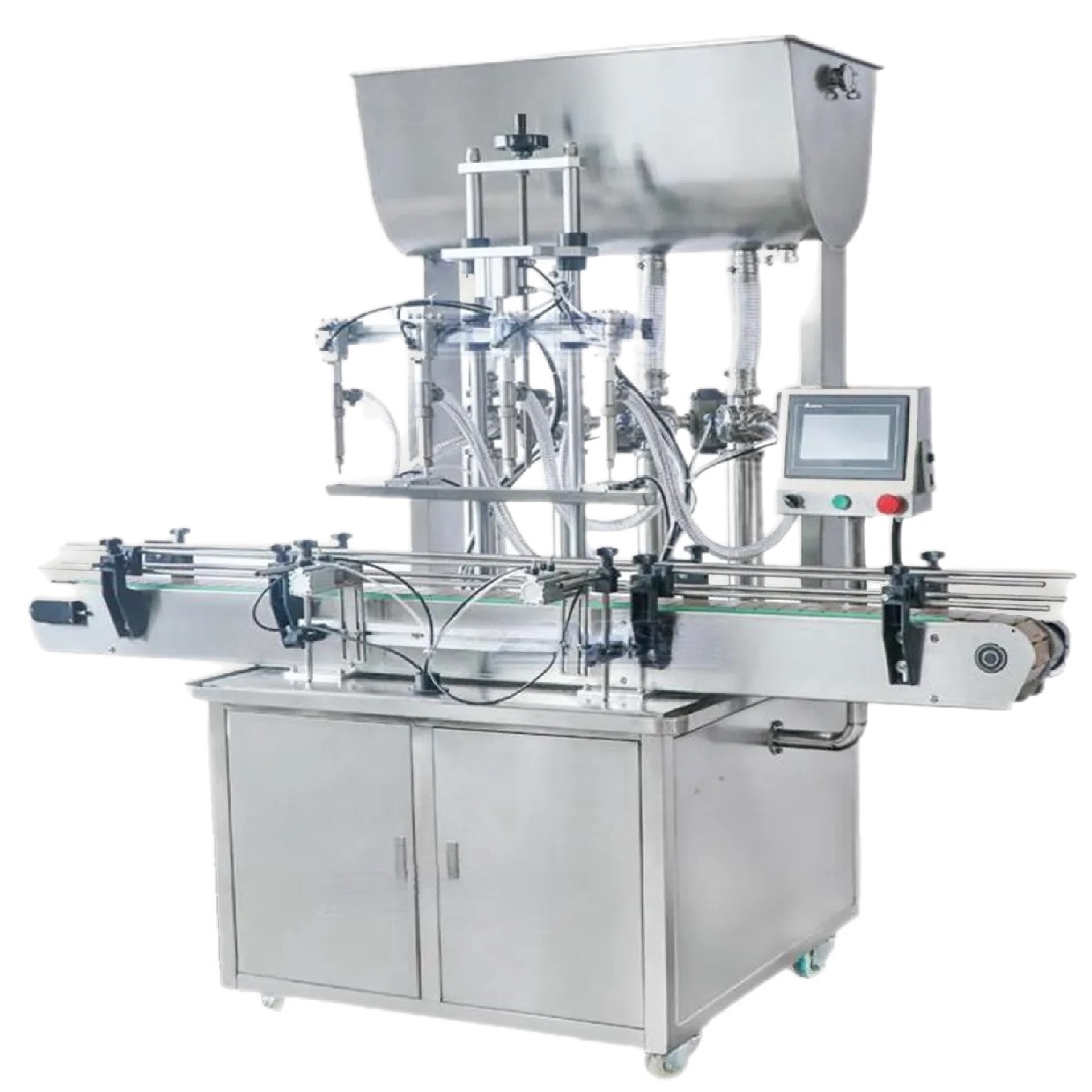
For multi-head machinery, identify results by filling head. A good overall average can conceal one nozzle that is consistently different. For powder or granule systems, include hopper level and material conditioning. For foaming or stringing liquids, record the effect of nozzle movement and cut-off on both quantity and pack cleanliness.
Separate dosing variation from the rest of the line
Quantity errors may arise from product feed, air ingress, container tare, nozzle drips, incomplete discharge, product left on the pack, vibration or measurement technique. The investigation should follow the process from bulk source to accepted pack instead of adjusting the filler immediately.
The troubleshooting guide provides a symptom-to-evidence approach. This avoids compensating in software for a mechanical or product-feed problem that will return after the next changeover.
Use the same method at trial, FAT and SAT
A common protocol allows evidence to follow the project. The early product trial proves the proposed principle. FAT checks the built machine under agreed factory conditions. SAT checks the installed system with site utilities, operators and connected equipment. Differences in product or pack must be recorded, not hidden.
Use the FAT and SAT guide to define stages, open items and responsibilities. Acceptance should identify what has been proved, what remains conditional and the action required to close each gap.
Accuracy and repeatability test record
- Machine, recipe, filling head and configuration.
- Product batch, temperature and preparation.
- Container, tare approach and closure state.
- Target, tolerance and measurement units.
- Reference instrument and verification details.
- Sequential raw results, rejects and adjustments.
- Start-up, refill, pause and fault-recovery observations.
- Calculated summary and signed open-item list.