Pneumatic filling
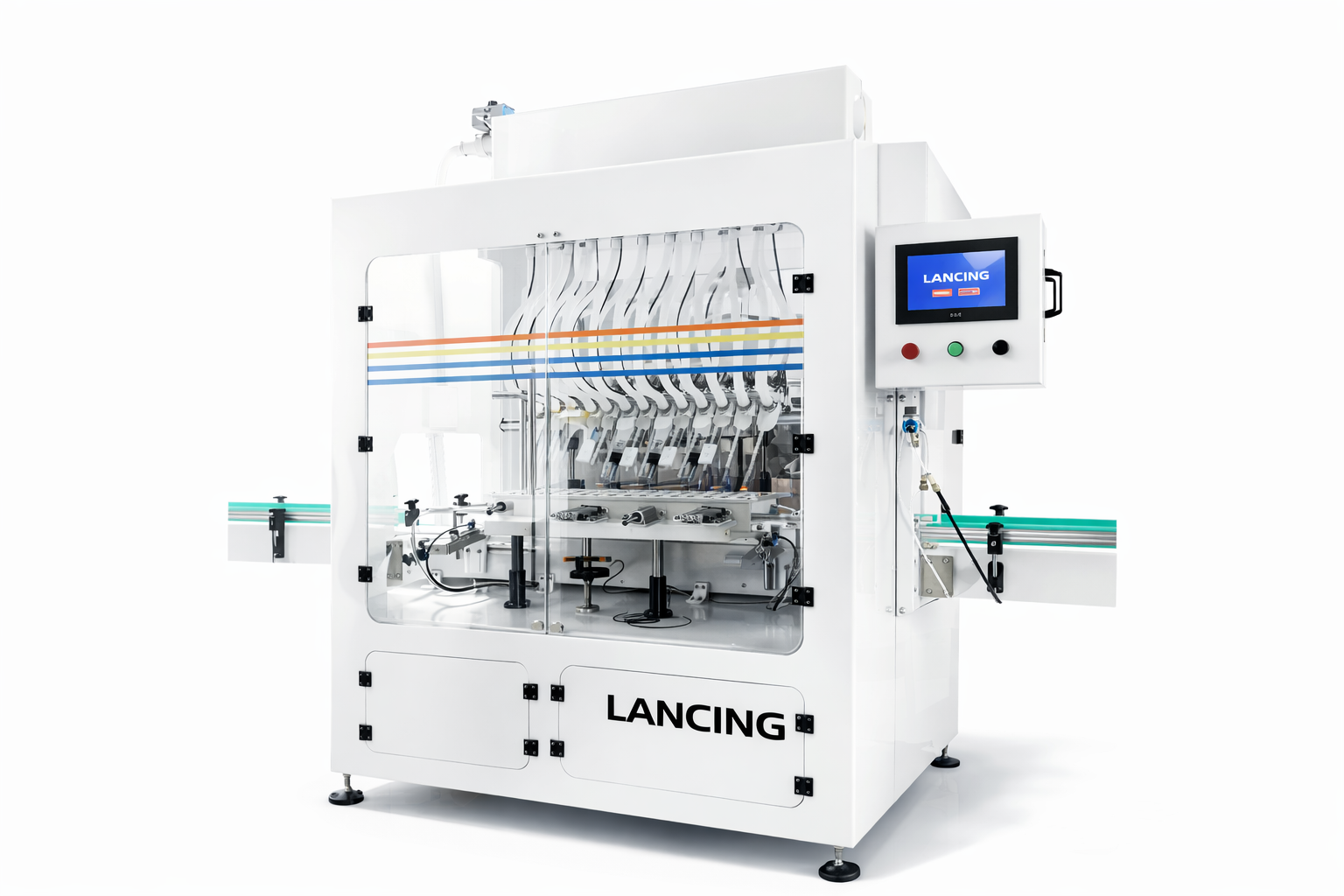
Air-powered systems can reduce electrical equipment at the point of fill, subject to the complete assessment.
Explore this route
Hazardous-area specification
ATEX filling projects require more than an “explosion-proof” label. The hazardous-area assessment, zone, substance group, temperature class and equipment category must be defined for the complete installation. Pumps, controls, motors, sensors, static protection, ventilation and ancillary equipment all need to fit the same risk assessment.
Typical products and packs
Compare the principles
Several dosing methods may fill the same nominal product. The practical choice is driven by accuracy, cut-off, cleaning, format range and sustained output.
Air-powered systems can reduce electrical equipment at the point of fill, subject to the complete assessment.
Explore this routeCertified pumps, motors and controls are selected around zone and chemical compatibility.
Explore this routeDrums and jerrycans add earthing, handling and operator-access requirements.
Explore this routeChemical compatibility may be the primary issue even where ATEX does not apply.
Explore this routeBefore quotation
Beyond the filler
Machines you can compare
Specifications are reference points. Confirm the operating window using the intended product, container and line arrangement.
Compare your options
Chemical filling machines for detergents, cleaners, acids, alkalis, solvents and compatible industrial liquids. Plan materials, ATEX and containment.
See optionsCompare gear, rotor, magnetic, diaphragm and other pump filling machines for oils, detergents, sauces, gels and compatible chemical products.
See optionsLarge-container filling machines for jerrycans, pails, drums and IBC-related projects. Compare weight, pump, ATEX, nozzle and handling requirements.
See optionsPlan filling line integration across infeed, filling, capping, labelling, coding, inspection, conveyors, controls, FAT, SAT and production handover.
See optionsQuick answers
Typical applications include flammable solvents and alcohol-based products, fuels and selected petrochemical products, paints, coatings and compatible chemicals. The final decision depends on the real product, dose, container and target output.
Start with the product behaviour, fill range, pack format and sustainable output. Then compare the dosing principle, contact materials, changeover and cleaning against the complete hazardous-area installation and its documented risk assessment.
Yes. Filling can be planned with container infeed, conveyors, capping or closing, labelling, coding, sealing, inspection, accumulation and end-of-line handling.
Send product details and safety data where relevant, fill volumes, container and closure samples or drawings, target output, utilities, cleaning needs, footprint and any existing equipment to be integrated.
Ready to discuss your application?
Tell us what you fill, your fill range, container and target output. We will help you narrow the practical machine options before quotation.