Volumetric cup filling
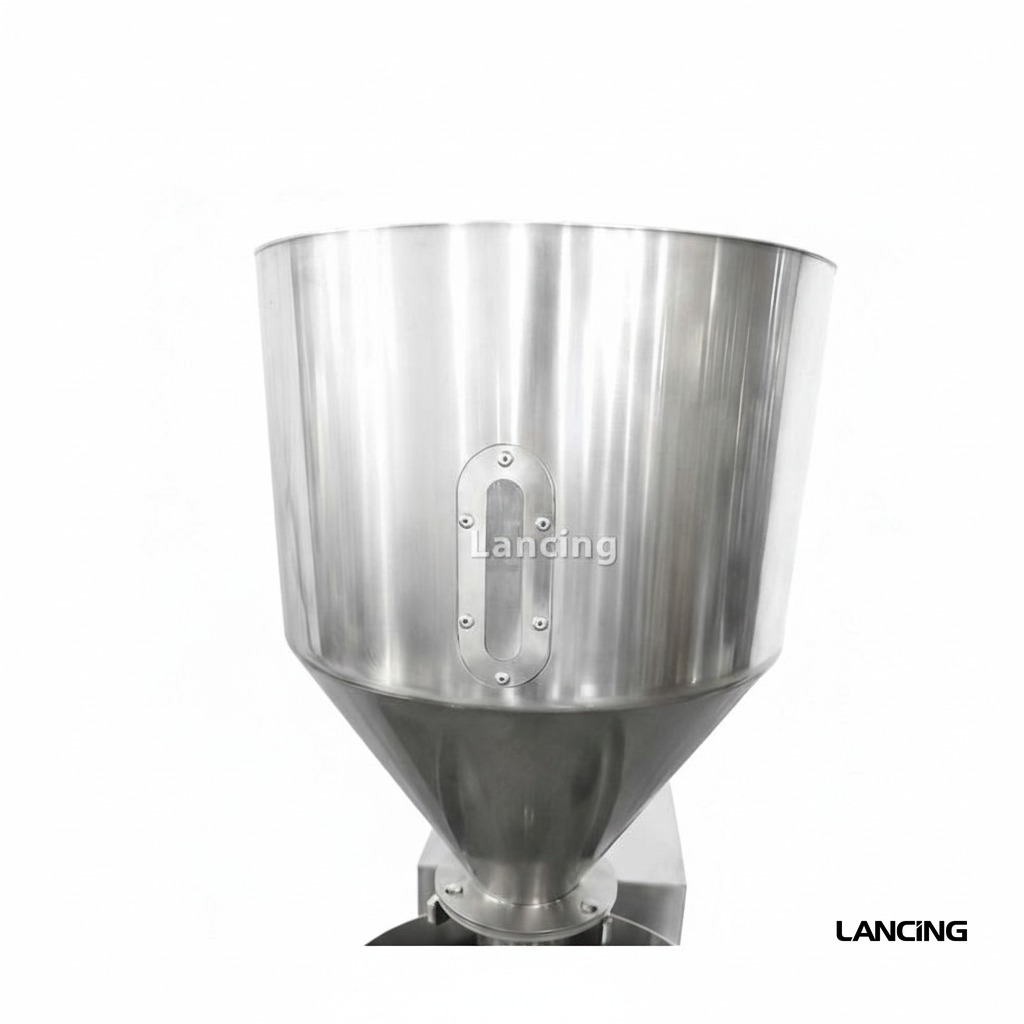
Adjustable cups deliver repeatable volumes where bulk density is stable.
Explore this route
Free-flowing dry products
Granules can often be dosed by volumetric cup or weight, but the best method depends on piece size, bulk density variation, breakage risk and the target tolerance. Product presentation into the container or pouch also matters: bounce, static and bridging can reduce output even when the dose head is accurate.
Typical products and packs
Compare the principles
Several dosing methods may fill the same nominal product. The practical choice is driven by accuracy, cut-off, cleaning, format range and sustained output.
Adjustable cups deliver repeatable volumes where bulk density is stable.
Explore this routeA scale closes the feed gate at target weight and accommodates density variation.
Explore this routeMultiple weigh hoppers combine doses for higher speed and accuracy on suitable products.
Explore this routeGranule dosing can feed premade-pouch or form-fill-seal machinery.
Explore this routeBefore quotation
Beyond the filler
Machines you can compare
Specifications are reference points. Confirm the operating window using the intended product, container and line arrangement.
Compare your options
Compare powder filling machines using auger, weigh and dosing systems for food, supplement, cosmetic and chemical powders. UK specification advice.
See optionsWeigh filling machines for oils, liquids, powders and granules. Compare net-weight, pump-and-scale and multihead weighing around accuracy and output.
See optionsPouch filling machines for premade pouches and flexible packs. Compare liquid, paste, powder and granule dosing with pouch opening and sealing.
See optionsSachet filling machines for powders, granules, liquids and pastes. Compare dose systems, film, seal type, pack size, hygiene and output requirements.
See optionsQuick answers
Typical applications include beans, seeds, rice, sugar and salt, coffee beans, tea and confectionery pieces, tablets, pellets and chemical granules. The final decision depends on the real product, dose, container and target output.
Start with the product behaviour, fill range, pack format and sustainable output. Then compare the dosing principle, contact materials, changeover and cleaning against dry-product flow, density and pack presentation.
Yes. Filling can be planned with container infeed, conveyors, capping or closing, labelling, coding, sealing, inspection, accumulation and end-of-line handling.
Send product details and safety data where relevant, fill volumes, container and closure samples or drawings, target output, utilities, cleaning needs, footprint and any existing equipment to be integrated.
Ready to discuss your application?
Tell us what you fill, your fill range, container and target output. We will help you narrow the practical machine options before quotation.